From Volunteer to Outdoor Educator
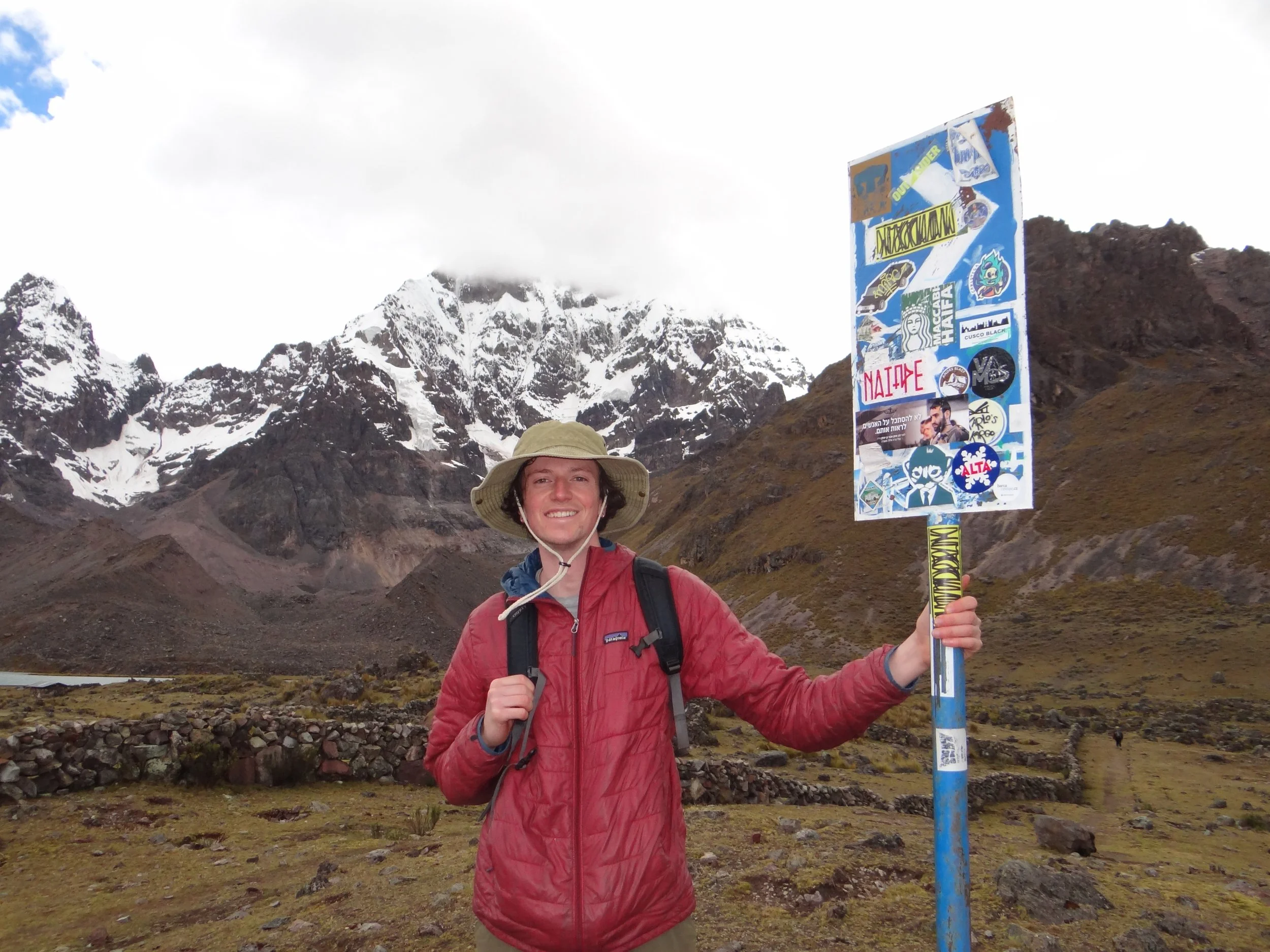
My name is Ethan. I’m from Oregon in the United States. My first experience with Valley Camp began in May of 2025. I had been traveling throughout the Cusco region, participating in different volunteer programs, and was looking for a way to strengthen my Spanish while staying in the Sacred Valley for the remainder of my trip. A friend who lived there recommended that I look into volunteering with Valley Camp.
I remember vividly walking down the dusty road to Valley Camp HQ, purely with the intention to improve my Spanish, as I had been doing for months before. Valley Camp HQ is a small, two-story adobe building tucked into the back of an enclosed courtyard. I ducked under the bright pink flowers of the bougainvillea that sprawled near the entrance and emerged into the courtyard. What I saw was the Valley Camp team standing together, sipping coffee and tea and joking like they were amongst family.
Upon greeting them I was struck by their welcoming nature. That first interaction began an experience that would change the direction of my life and foster a deep love for the Sacred Valley, the people who live there, and the importance of outdoor education.
After meeting the staff and going through some training, I supported a week-long summer camp in a town further West of Urubamba called Pachar. During the training and preparation for the camp, I learned more about the ethos of Valley Camp and watched how it was embodied by each staff member. At its core Valley Camp is an outdoor leadership program. It uses the outdoors to strengthen confidence and teamwork while teaching respect for yourself, others, and the natural world. The team at Valley Camp takes this to heart. In some of my other volunteer experiences, there was a stark difference between how team members behaved in camp versus out of camp. It was clear during the training that every team member truly lived the ethos and reflected that behavior whether they were working or not.
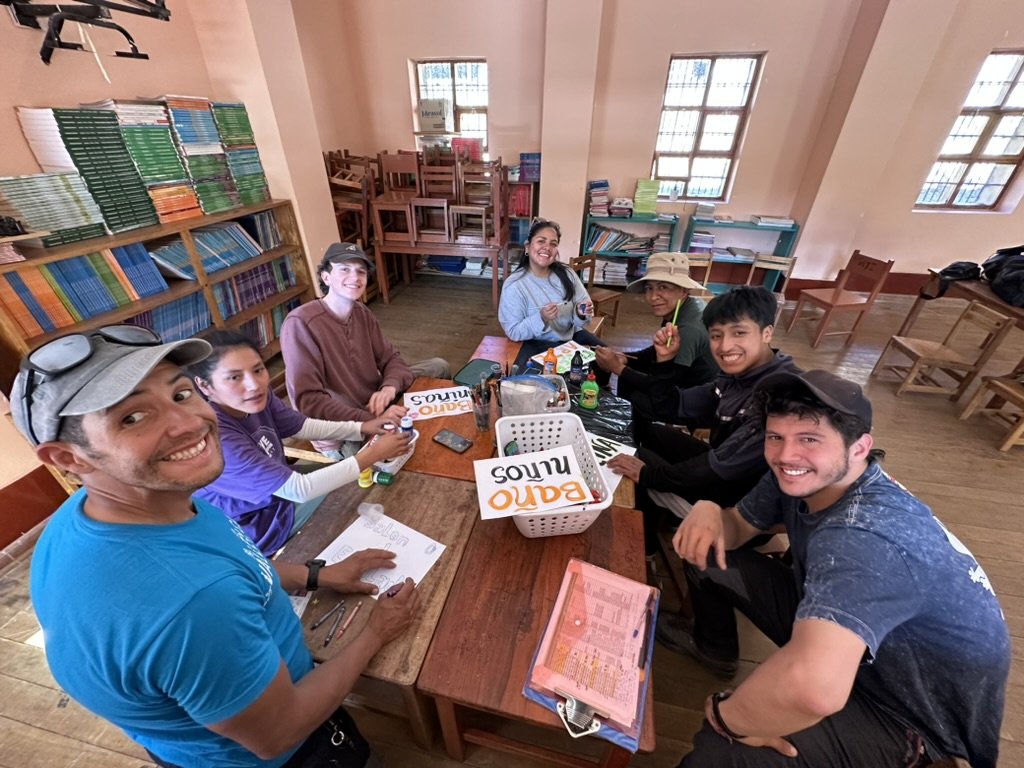
One thing I’ll echo, as other volunteers have said before me, is that the team at Valley Camp is incredibly inviting. It’s not easy to be thrust into a full-time summer camp in a culture different from your own. It can be draining to maintain the level of energy required to follow everything that’s being said in Spanish and it can result in feelings of isolation at times. The staff–and the participants– at Valley Camp were aware of this and made an effort to support me and make me feel welcome.
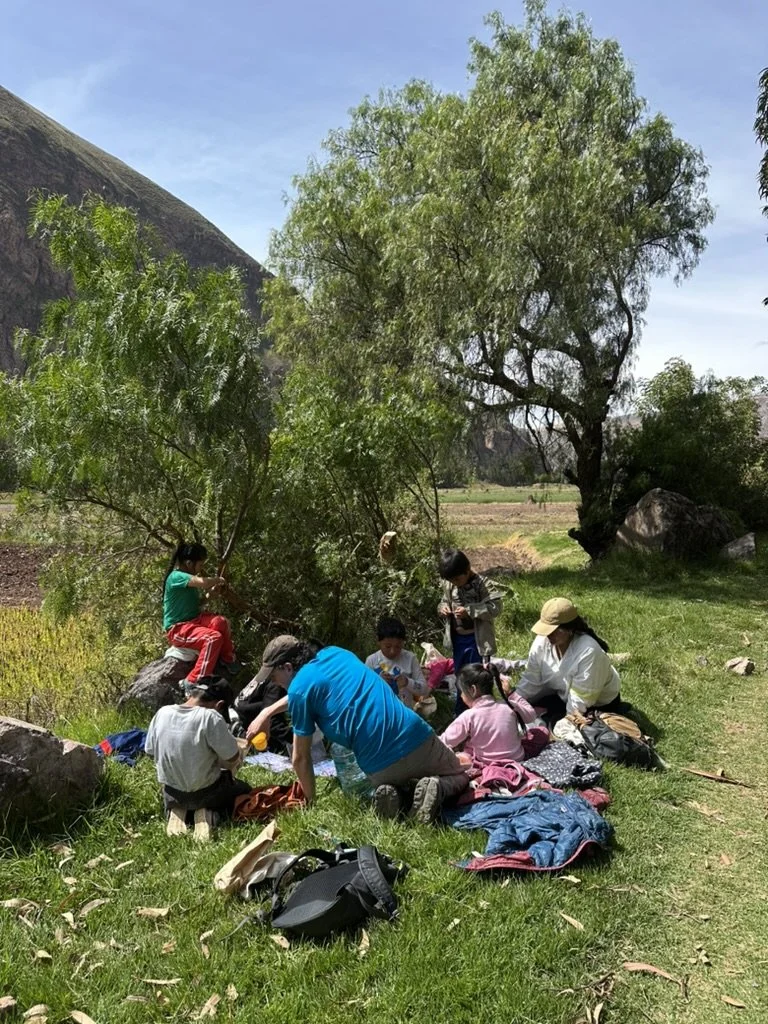
During this camp, I worked with the participants in a variety of activities, including rock climbing, art, and horticulture. Each day began and ended with a group circle where we would share the theme of the day and talk about what we had learned from the day's activities. These were some of my favorite moments. Every staff member and participant would gather together, openly sharing their experiences with one another. These circles created a space where we could open up to each other, listen, and reflect on the day.
The theme of each day would be introduced through a skit during the morning circle. I had the opportunity to collaborate with some of the team members to create one of these skits. I pretended to be a Chasqui, an Inca messenger, and delivered a very important letter containing the theme of the day. I hid at the entrance to the camp and only after everyone in the camp was screaming “Chasqui!”, did I come running out to deliver the message.
By the end of the camp, I felt deeply connected to Valley Camp and had begun to see the impact it was having on the students. I flew home to the United States the day after the camp ended. It was a sudden end to an experience that had meant a lot to me, but I knew I wanted to return and participate in another camp.
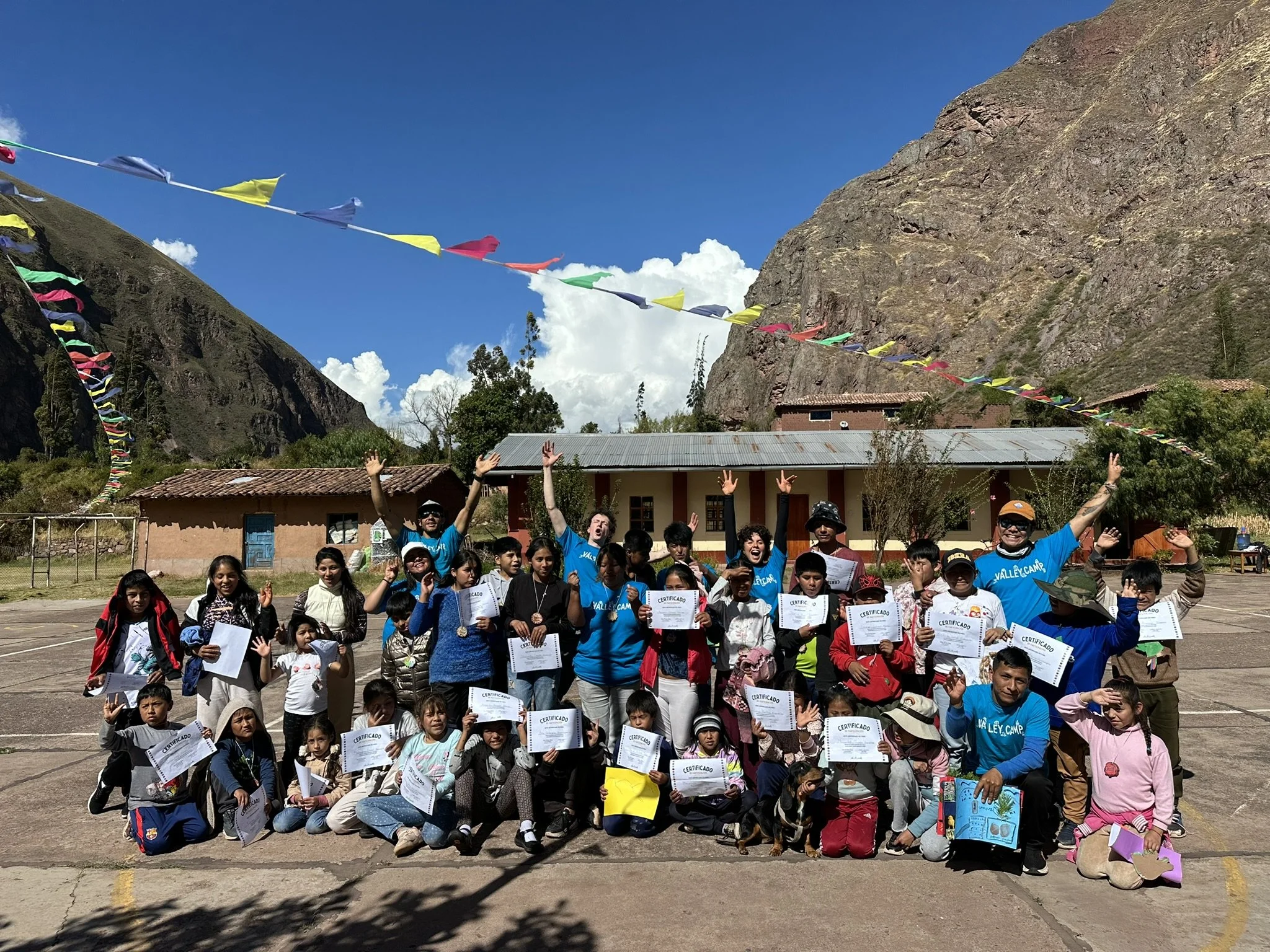
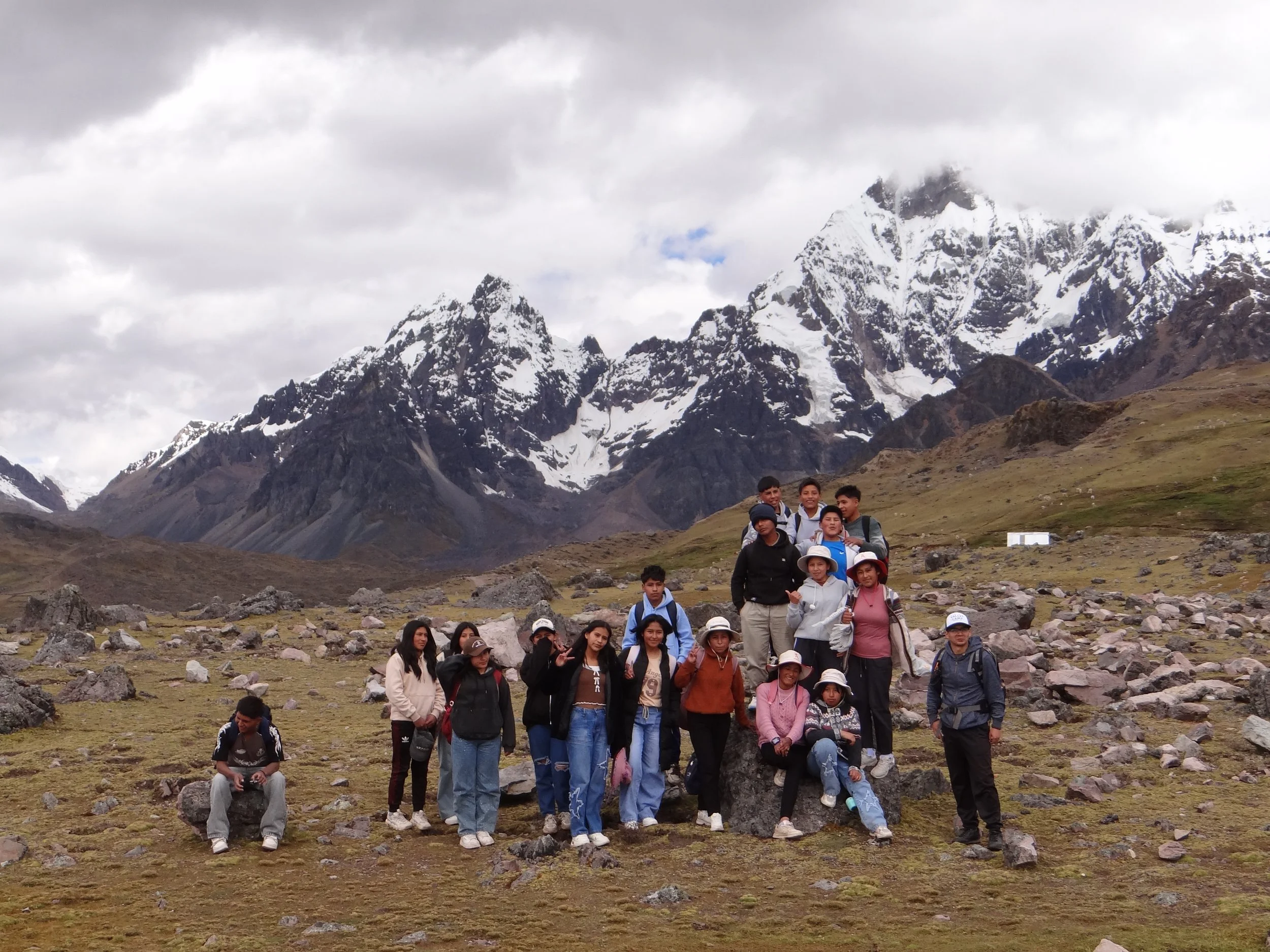
A year went by, and I returned to Urubamba with the hopes of volunteering again. After connecting with the team, I helped prep for a weekend camping trip to Ausangate, one of the most stunning mountain ranges in Peru.
With a bus full of high school students and a truck full of Valley Camp staff, we drove more than five hours to the base of the mountain. The students came from a high school near Ausungate and spoke Qechua. On the hike to a lake near the base of the mountain, we exchanged words, learning their meanings in Spanish, English, and Quechua.
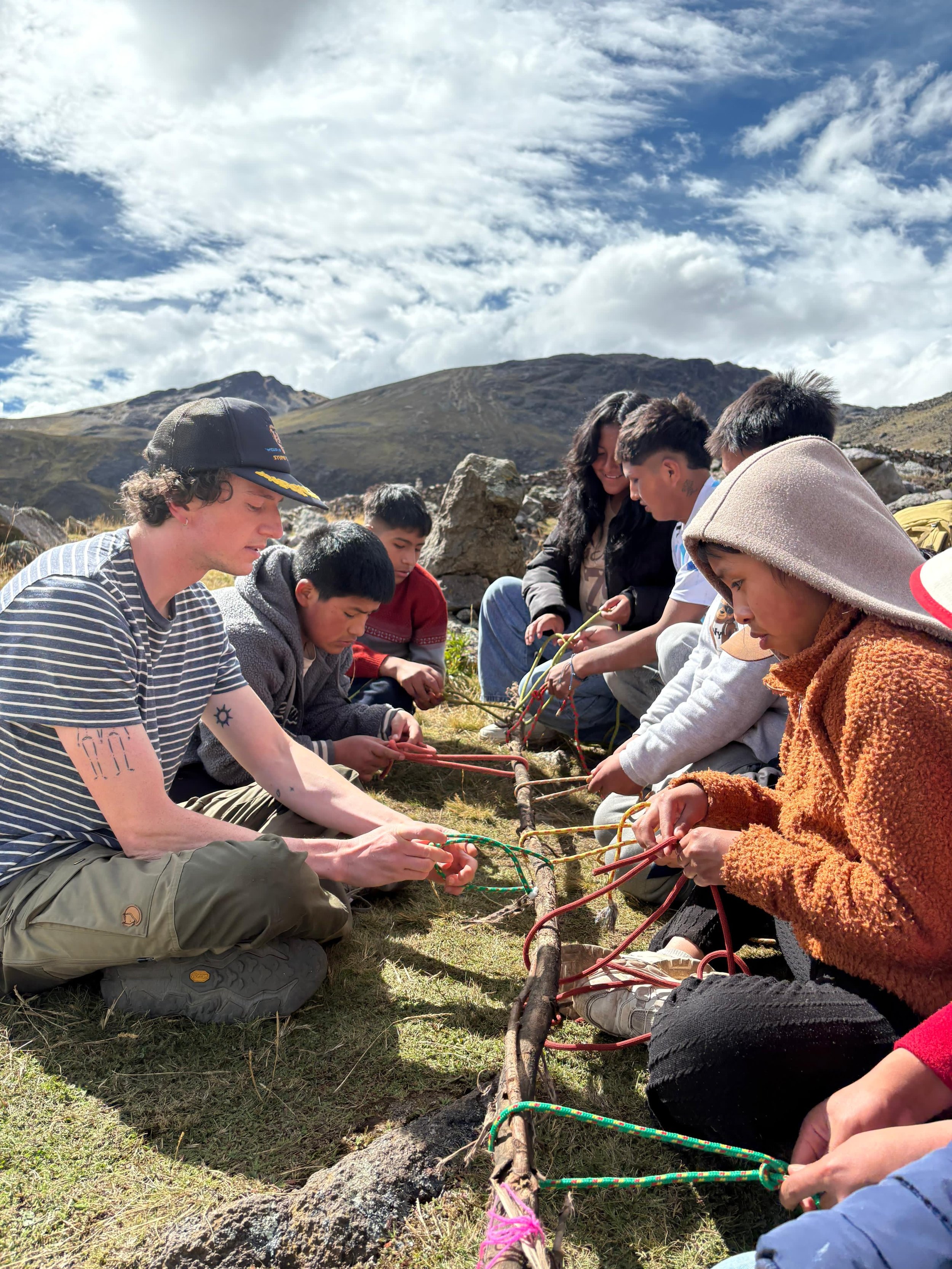
Similar to the first camp, we had “classes” prepared for the students. I had the opportunity to teach a class on camp knots. I would teach a knot and then have a student take on the role of teacher and support their peers. This was a great way for the students to strengthen their leadership skills while also supporting me when my own Spanish skills had reached their limit. It was special to watch how some of the students' demeanor would change when they took on a leadership role. I remember one student being pretty shy up to that point but once they were sitting in front of the others, assisting them with knots, they really opened up. It taught me about how responsibility can create confidence.
After the camp, on the drive back to Urubamba, I felt tired and blissful. I remember looking around at the exhausted faces of the team members packed into the truck and immediately feeling nostalgia for the experience.
Although many of the students we worked with already had an intimate relationship with the outdoors, Valley Camp offers a way to deepen that relationship and build on it. Through structured outdoor experiences, students are given opportunities to practice leadership, build confidence, develop a deeper respect for nature, and learn how to care for the places and communities around them.
Once again, I left Peru shortly after the camp. But this time, I left with a much clearer sense of what my time with Valley Camp had given me. Before Valley Camp, I hadn't worked much with kids or in an education role. Although navigating those experiences in another language was challenging, it gave me confidence in my Spanish and sparked a desire to make youth education a bigger part of my life. So much so that I am now considering shifting my career to be more centered around outdoor education in my home state of Oregon. I hope to participate with Valley Camp again in the future.